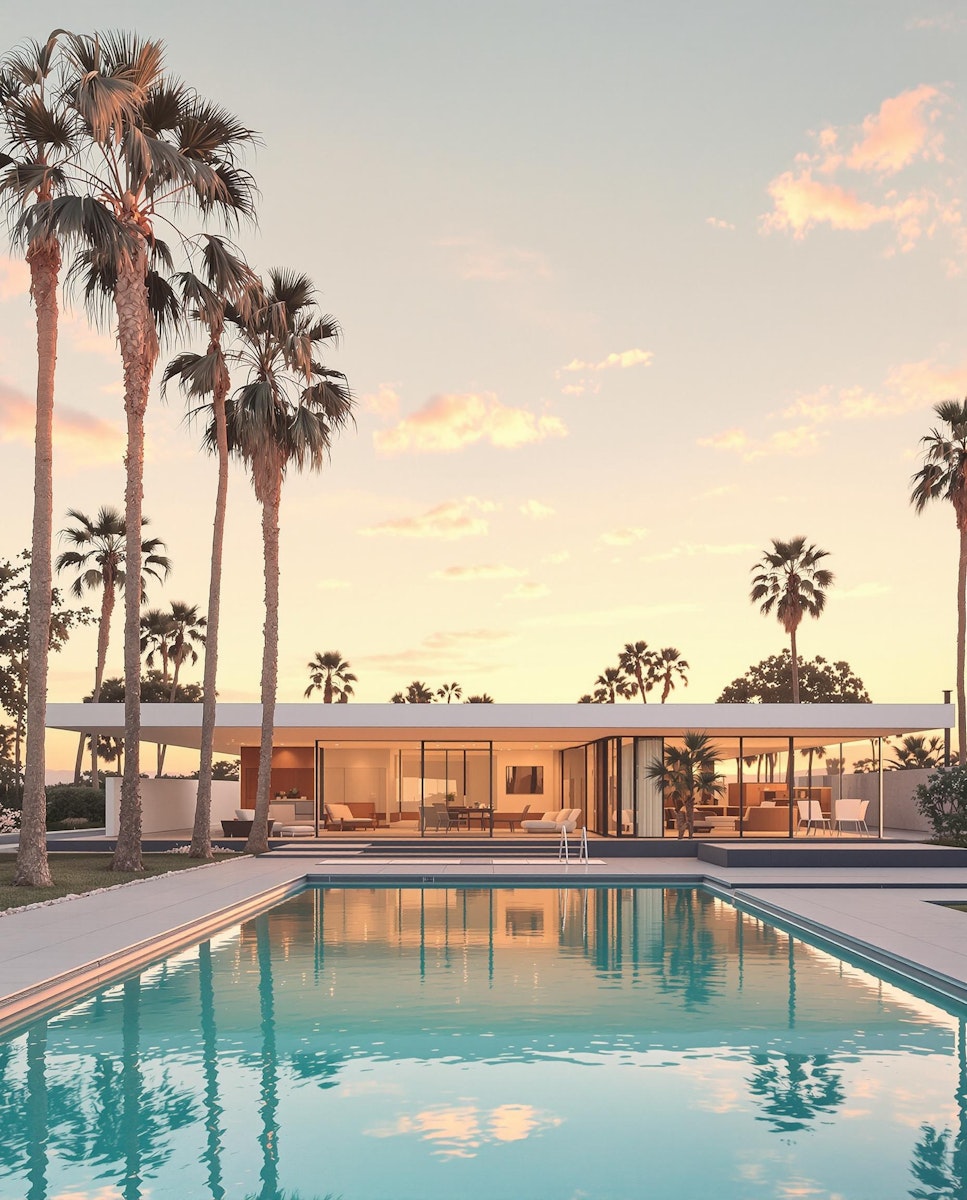
Best overall: a single-story home with private bedrooms. Best for different sleep schedules: a split-wing layout. Best for grandparents who want privacy: a home with a separate guest suite. For 2026, this guide to Scottsdale vacation rentals for multigenerational family trips ranks home layouts—not individual listings—and explains what to confirm when arranging your stay through HomeSlice Stays.
TL;DR
For Scottsdale vacation rentals for multigenerational family trips, prioritize bedroom access, bathroom arrangements, and shared seating over advertised capacity.
HomeSlice Stays provides Scottsdale vacation rental booking services; confirm each property's layout before choosing.
Single-story homes are the default recommendation; split-wing homes suit families with different sleep schedules.
Choose separate guest suites for privacy, walkable locations for independent outings, and pool homes for home-centered trips.
Why this matters
A house can accommodate your family on paper and still make everyday routines difficult. A bedroom upstairs, a bathroom reached through someone else's room, or a dining table that cannot seat everyone changes how the trip feels.
Choose the home around the person with the least flexibility. That might be a grandparent who avoids stairs, a toddler who needs naps, or a parent who needs to hear a child overnight. Once that requirement is covered, compare the features everyone else wants.
HomeSlice Stays offers luxury vacation rental management and booking services in Scottsdale and surrounding areas. For your 2026 family trip, ask about the specific home rather than assuming that a luxury description establishes accessibility, child safety, or bedroom privacy.
What makes the best multigenerational rental?
Use these six criteria before comparing photos. A beautiful kitchen does not solve an unsuitable sleeping arrangement.
Bedroom access: Trace the route from the entrance to each bedroom, bathroom, kitchen, and outdoor gathering area. Ask about thresholds and interior steps.
Sleeping privacy: Separate actual bedrooms from sofa beds, open lofts, and rooms that double as passageways.
Bathroom fit: Assign bathrooms before booking. Check shower entry, nighttime access, and whether a bathroom requires crossing another bedroom.
Shared seating: Confirm that everyone can eat together and sit comfortably without borrowing chairs from bedrooms.
Quiet separation: Look at the relationship between sleeping rooms, television areas, the kitchen, and outdoor gathering spaces.
Daily logistics: Check parking, groceries, outing routes, entry instructions, and the process for reporting a problem.
For example, a hypothetical group of 8 guests across 3 generations should assign every sleeping space before selecting a home. A 4-bedroom layout works only if the bed arrangements match the actual couples, children, and solo travelers. Those are planning examples, not specifications for a particular property.
Best rental layouts at a glance
The order below favors everyday usability before optional amenities. Each recommendation serves a different family priority; a home can combine several of these features.
1. Single-story home
Best for: Shared routines with fewer stair transitions
Standout feature to seek: Bedrooms and essential living spaces on one level
Key limitation: One level does not establish accessibility
2. Split-wing home
Best for: Different sleep schedules
Standout feature to seek: Sleeping areas separated by shared rooms
Key limitation: Longer routes between family members
3. Home with separate guest suite
Best for: Grandparent privacy
Standout feature to seek: A bedroom and bathroom apart from the main sleeping area
Key limitation: Separation complicates nighttime assistance
4. Walkable-location home
Best for: Independent outings
Standout feature to seek: Practical walking routes to your chosen destinations
Key limitation: Proximity does not establish a comfortable walk
5. Private-pool home
Best for: Home-centered recreation
Standout feature to seek: Outdoor gathering space alongside the pool
Key limitation: Pool supervision remains essential
1. Single-story home: best for simpler shared routines
A single-story home is the strongest starting point when your group wants bedrooms, meals, and downtime on the same level. It removes the need to assign upstairs bedrooms, but it does not prove that the entrance, showers, or patio are step-free.
Ask for a floor plan and photographs of transitions that listing photos leave unclear. A guest who uses a mobility aid needs details relevant to that aid—not a general reassurance that the home is easy to use.
Single-story home pros:
Keeps essential rooms on the same level when the layout confirms it.
Makes bedroom assignments simpler for guests who avoid stairs.
Avoids separating the group across upstairs and downstairs living areas.
Single-story home cons:
Entry steps, raised thresholds, and shower curbs still require checking.
A compact layout can place bedrooms close to gathering spaces.
Best for: Families whose main priority is reducing stair use during daily routines.
Verdict: Buy this layout when the entrance, bathroom, and bedroom routes meet your family's actual needs.
2. Split-wing home: best for different sleep schedules
A split-wing layout places sleeping areas in separate parts of the home, often with shared rooms between them. Look for this arrangement when early risers, napping children, and late-night conversationalists are traveling together.
Bedroom count alone cannot show that separation. Check where the television, kitchen, laundry, and outdoor doors sit relative to the rooms assigned to light sleepers.
Split-wing home pros:
Separates sleeping groups without requiring separate accommodation.
Gives you a clearer way to assign quieter bedrooms.
Preserves a shared gathering area between private spaces.
Split-wing home cons:
Bedrooms farther apart make overnight assistance less convenient.
Shared ventilation, doors, and gathering areas still transmit sound.
Best for: Families with conflicting bedtimes who still want to stay under one roof.
For your 2026 shortlist, ask which bedroom is farthest from the main gathering area. That answer is more useful than an unqualified description such as “peaceful.”
Verdict: Buy for schedule separation; skip if someone needs frequent help from a relative sleeping across the house.
3. Home with separate guest suite: best for grandparent privacy
A separate guest suite gives part of the family a retreat away from the main sleeping area. The useful distinction is not the word “suite,” but whether the space has its own bathroom, how you reach it, and whether you must go outside.
Do not assume a suite includes a kitchen, sitting room, or independent entrance. Ask what the term means for the specific home and request a clear route description.
Separate guest suite pros:
Creates separation between households traveling together.
Provides a private retreat during busy family gatherings.
Keeps an assigned bathroom separate when the layout includes one.
Separate guest suite cons:
An exterior route complicates nighttime trips to the main house.
Distance works against guests who need nearby assistance.
Best for: Independent grandparents or another adult household that values privacy.
Before assigning the suite, ask its intended occupants whether they actually want separation. Privacy is a benefit only when the people using the space prefer it.
Verdict: Buy for independent adults; skip as the default room for anyone who needs close overnight support.
4. Walkable-location home: best for independent outings
A walkable-location home suits families who want the option to split up without coordinating every departure. Start with the destinations your family will actually use, then inspect the walking routes from the specific address.
For your 2026 plans, evaluate crossings, sidewalks, shade, rest opportunities, and the return journey. A nearby destination on a map is not proof that every family member will enjoy walking there.
Walkable-location home pros:
Supports separate outings for adults with different interests.
Gives the group an alternative to coordinating every car trip.
Makes location part of the daily plan rather than just an address.
Walkable-location home cons:
Route comfort differs by mobility, conditions, and time of day.
A convenient location does not establish a quiet sleeping environment.
Best for: Families whose independent adults want nearby outings on foot.
Use the Scottsdale rentals ranked by walkability guide to frame your location questions. Still confirm the exact route for the home you choose.
Verdict: Buy for verified routes to relevant destinations; skip when “central” is the only location detail provided.
5. Private-pool home: best for home-centered recreation
A private-pool home fits a trip built around spending time together at the house. Evaluate the surrounding space as carefully as the water: seating, shade, bathroom access, and the route back indoors all matter.
A pool is not a substitute for an appropriate bedroom layout. It also adds a supervision responsibility that your family needs to discuss before arrival.
Private-pool home pros:
Gives swimming a place in the home-based itinerary.
Lets relatives gather outdoors while participating in different activities.
Reduces the need to leave the property specifically to swim.
Private-pool home cons:
Requires active adult supervision whenever children are around water.
Barriers, access points, and pool conditions require property-specific confirmation.
Best for: Families that prioritize time at the house and have a clear supervision plan.
Ask about barriers and doors leading to the pool, then agree who supervises children during each swimming period. Do not infer safety arrangements from attractive outdoor photographs.
Verdict: Buy only after confirming pool access arrangements and assigning supervision; skip if that responsibility does not suit your trip.
Turn the shortlist into a family decision
For a 2026 booking, settle the non-negotiables before sharing favorite properties in the family chat. Otherwise, the most enthusiastic person can steer the choice toward an amenity that leaves someone else's basic needs unresolved.
Follow this sequence:
Assign rooms: Put names against beds and bathrooms. Identify who needs proximity to children or another adult.
Check routes: Trace arrival, nighttime bathroom trips, shared meals, and outdoor access.
Match routines: Compare bedtimes, meals, outings, and the amount of privacy each household wants.
Confirm details: Send unresolved questions together and keep the property-specific answers with your reservation information.

Assign people to the layout before choosing the amenities.
Send your requirements to HomeSlice Stays as a short brief rather than a general request for a family-friendly home. Include the sleeping arrangements you need, stair restrictions, bathroom requirements, and whether separate quarters are a benefit or a problem.
Ask how to reach assistance during the stay without assuming a response schedule. Also confirm the arrival process for relatives traveling separately, so the reservation holder does not become everyone's entry coordinator.
How we ranked these rental types
This 2026 ranking prioritizes bedroom access, bathroom fit, shared seating, quiet separation, and daily logistics. The single-story layout leads because it addresses a basic planning constraint before adding specialized features.
These are layout recommendations, not ratings of named properties or claims of an inspection. The split-wing, guest-suite, walkable-location, and pool options move ahead of the default only when their specific benefit matches your family's priority.
Which Scottsdale family rental should you choose?
Start with a single-story home, then look for separate sleeping zones within it. That combination addresses shared routines and privacy without automatically separating relatives into different structures.
Choose a guest suite when independent adults specifically request it. Choose walkability when the routes suit your actual travelers, and choose a pool when home-based recreation justifies the supervision responsibilities.
HomeSlice Stays is a fit for families seeking luxury vacation rental booking services in Scottsdale and surrounding areas. Make the final choice on confirmed property details, not the category label.
FAQ
What's the best Scottsdale rental layout for three generations?
A single-story home with private bedrooms is the best starting layout for three generations. Confirm the entrance, bathroom routes, and sleeping arrangements before choosing; one level alone does not establish accessibility.
Is a separate guest suite better for grandparents?
A separate guest suite is better when grandparents want privacy and can comfortably manage the route to the main house. Keep relatives closer together when overnight assistance or easy access to shared rooms matters more.
How many bedrooms does a multigenerational family need?
Your family needs enough suitable bedrooms for its actual sleeping arrangements, not simply enough advertised sleeping capacity. Assign couples, children, and solo adults to specific beds before deciding whether the layout works.
Does a single-story vacation rental mean wheelchair accessible?
No, a single-story vacation rental does not establish wheelchair accessibility. Ask about entry steps, doorway clearances, bathroom space, shower access, and the routes relevant to the guest's mobility equipment.
Should we prioritize a private pool or a better bedroom layout?
Prioritize the bedroom layout when choosing between essential sleeping needs and a private pool. Add a pool only after the home meets those needs and your family agrees on child supervision.
What should we ask before booking a Scottsdale family rental?
Ask for the sleeping layout, bathroom assignments, step details, shared seating, and arrival instructions. Add questions about pool access, separate suites, and guest assistance when those features affect your trip.
Is a walkable Scottsdale rental right for older relatives?
A walkable rental is right when its specific routes suit your relatives' mobility and intended outings. Check sidewalks, crossings, shade, and the return journey rather than relying on distance alone.
One last thing
Before anyone votes on a favorite, ask each household to describe its first morning in the home. Who wakes early, who prepares breakfast, who needs quiet, and who needs help reaching a bathroom?
That conversation turns a collection of attractive photos into a practical test. Choose the house that works during an ordinary morning, not just the one that looks best on arrival.
Related guides
More Blogs